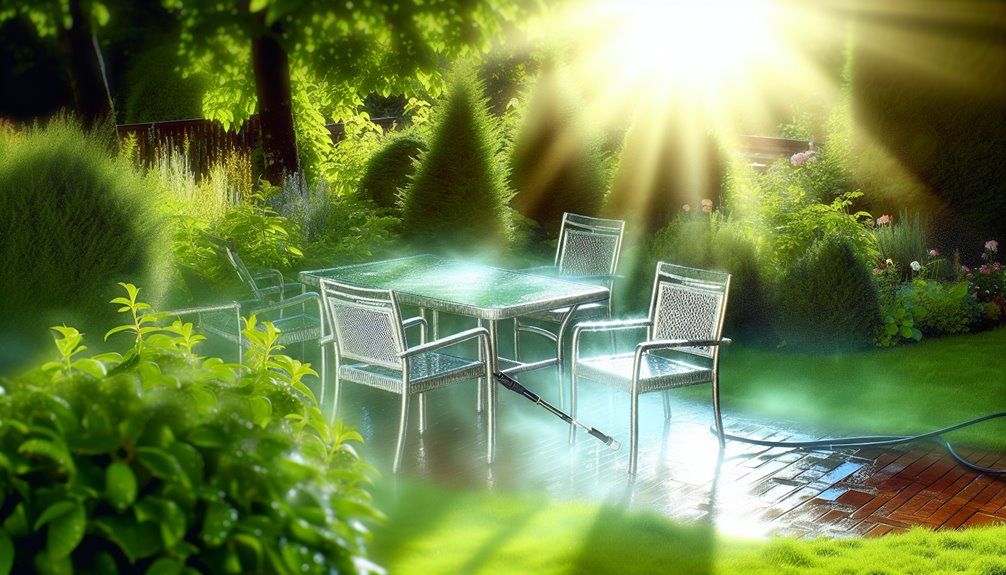
After years of exposure to the elements, a family’s wooden patio set can often look worn and dull. Pressure washing offers an professional pressure cleaningeffective solution for restoring outdoor furniture to its former glory, transforming any garden space. This eco-friendly method not only cleans but can also extend the lifespan of these pieces. Understanding the process and proper techniques is essential, as it can lead to impressive results that elevate the overall appeal of a backyard oasis.
Key Takeaways
- Pressure washing effectively removes dirt and mildew, revitalizing outdoor furniture and enhancing your garden’s overall appearance.
- Assess the condition of your furniture to choose the appropriate pressure washer for effective cleaning and restoration.
- Utilize safety gear and follow precautions to ensure a safe pressure washing process while protecting yourself and your surroundings.
- Regular maintenance, including cleaning and protective sealants, prolongs the life of restored outdoor furniture and keeps it looking new.
- Create an inviting garden atmosphere by pairing restored furniture with diverse plants and charming features that attract wildlife.
Understanding Pressure Washing and Its Benefits
When it comes to restoring garden furniture, understanding pressure washing and its benefits can make a significant difference. Pressure washing uses high-pressure water to remove dirt, grime, and mildew that often accumulate on outdoor surfaces. This method is not only efficient but also eco-friendly, as it typically requires little to no chemical cleaners. By revitalizing the furniture’s appearance, pressure washing extends its lifespan, ensuring that it remains an attractive feature in any garden. Additionally, it saves time and effort compared to traditional scrubbing methods. When done correctly, pressure washing can reveal the original beauty of wood, metal, or plastic furniture, making it look brand new without the need for costly replacements.
Assessing Your Outdoor Furniture: What Needs Cleaning?
When assessing outdoor furniture, it’s essential to identify any stains and grime that have accumulated over time. It’s equally important to check for damage, as wear and tear can impact the furniture’s longevity. Lastly, evaluating the condition of the materials will help determine the best cleaning methods to restore their original appeal.
Identify Stains and Grime
How can one effectively assess the state of outdoor furniture before diving into restoration? First, it’s essential to examine each piece closely for visible stains and grime. Common culprits include dirt, bird droppings, and mildew, which can accumulate over time. A simple visual inspection is often enough to identify these issues. Next, touch the surfaces to feel for any sticky residues or rough patches that signal deeper grime. For wooden furniture, look for discoloration or fading, while metal pieces may show rust or oxidation. Taking notes on the types and locations of stains will help prioritize cleaning efforts. By pinpointing these areas, one can streamline the restoration process and ensure a successful transformation for the outdoor space.
Check for Damage
Assessing outdoor furniture for damage is crucial before tackling any cleaning or restoration. Homeowners should carefully inspect each piece for signs of wear, such as cracks, splintering, or rust. These issues can worsen if not addressed early, potentially leading to more extensive damage. Look for loose joints or unstable frames, which may indicate structural problems that need fixing. Additionally, check for discoloration or peeling paint, as these could suggest underlying issues that require attention. It’s also wise to assess the condition of cushions, if applicable, as water damage or mold can affect both comfort and aesthetics. By identifying these problems upfront, homeowners can ensure their restoration efforts are effective and long-lasting.
Evaluate Material Condition
Before diving into the cleaning process, it’s essential for homeowners to evaluate the condition of the materials used in their outdoor furniture. Different materials, like wood, metal, or plastic, require specific care. For instance, wooden furniture may show signs of weathering or rot, while metal pieces might have rust or corrosion. Homeowners should look for any peeling paint or cracks that could indicate deeper damage. Plastic furniture may be faded or stained, signaling a need for thorough cleaning. By assessing these conditions, homeowners can determine what needs cleaning and what may require repair or replacement. This evaluation ensures a focused approach, leading to better results in restoring outdoor furniture to its original charm and functionality.
Choosing the Right Pressure Washer for Your Needs
When it comes to maintaining outdoor spaces, selecting the right pressure washer can make all the difference. First, homeowners should consider the PSI (pounds per square inch) and GPM (gallons per minute) ratings, as these determine the machine’s cleaning power. For light tasks, like cleaning patio furniture, a washer with 1300-1900 PSI is ideal. For tougher jobs, a model with 2000-3000 PSI is more effective. Additionally, electric pressure washers are quieter and easier to handle, while gas models offer more power and mobility. It’s also essential to think about attachments and accessories, like surface cleaners and nozzles, which can enhance versatility. Ultimately, choosing the right model tailored to their specific needs will ensure effective and efficient cleaning.
Essential Safety Tips for Pressure Washing
Although pressure washing can be an effective way to clean outdoor furniture and surfaces, safety should always be a top priority. Before starting, wear protective gear, including goggles, gloves, and sturdy footwear, to shield against debris and high-pressure water. It’s crucial to check the area for hazards like power lines or fragile items that could get damaged. Always maintain a safe distance from the surface being cleaned—typically 2 to 3 feet—to avoid injury or damage. Never direct the nozzle at yourself or others, and be mindful of slippery surfaces post-wash. Additionally, ensure the pressure washer is in good working condition, with no leaks or frayed cords, to prevent accidents. Following these tips ensures a safe and successful pressure washing experience.
Step-by-Step Guide to Pressure Washing Outdoor Furniture
To achieve a thorough clean of outdoor furniture, following a step-by-step approach to pressure washing can make the process efficient and effective. First, gather the necessary equipment: a pressure washer, appropriate nozzle, and cleaning solution. Next, remove any cushions or accessories from the furniture. Rinse the surface with water to remove loose dirt. Then, apply the cleaning solution, allowing it to sit for a few minutes. After that, use the pressure washer on a low setting, keeping it at least 12 inches away from the furniture to avoid damage. Rinse thoroughly to ensure no soap residue remains. Lastly, let the furniture dry completely before reassembling cushions or accessories. This careful method will restore the furniture’s original beauty.
Common Mistakes to Avoid When Pressure Washing
Pressure washing can significantly enhance the appearance of outdoor furniture, but there are common mistakes that can undermine the results. One major error is using the wrong pressure setting; too high can damage surfaces, while too low won’t clean effectively. Another mistake is neglecting to pre-treat stains, which can make them more difficult to remove. Additionally, failing to hold the nozzle at an appropriate distance can lead to streaks or gouges. It’s also crucial to choose the right cleaning solution; using harsh chemicals may harm the furniture’s finish. Lastly, skipping the rinsing step can leave behind residue. By avoiding these pitfalls, one can achieve a professional-looking restoration and prolong the life of outdoor furniture.
Maintaining Your Restored Outdoor Furniture
While restoring outdoor furniture can breathe new life into a tired patio, maintaining that refreshed look requires ongoing care. Regular cleaning is essential; a simple wipe-down with mild soap and water can keep surfaces looking pristine. It’s important to store cushions indoors during harsh weather to prevent fading and damage. Applying a protective sealant annually can help guard against moisture and UV damage, ensuring longevity. Additionally, inspecting for signs of wear or rust can help catch issues early on. When not in use, consider covering outdoor furniture to shield it from the elements. With these practical tips, anyone can easily maintain their beautifully restored outdoor furniture and enjoy an inviting outdoor space for years to come.
Enhancing Your Garden’s Appeal Beyond Furniture Restoration
Maintaining restored outdoor furniture is just one part of creating a vibrant garden space. To truly enhance a garden’s appeal, one should consider adding colorful plants, decorative stones, or charming pathways. Incorporating a variety of textures and heights—like tall grasses paired with low-lying flowers—creates visual interest. Additionally, incorporating features like birdbaths, trellises, or ambient lighting can transform the atmosphere, making it inviting for both humans and wildlife. Regularly pruning and tending to plants ensures they remain healthy and lush. Lastly, using outdoor rugs or cushions can add comfort and style, further complementing the restored furniture. By focusing on these elements, garden enthusiasts can create a cohesive and enchanting outdoor environment that goes beyond just furniture restoration.
Frequently Asked Questions
How Often Should I Pressure Wash My Outdoor Furniture?
When it comes to pressure washing outdoor furniture, experts recommend doing it at least once a season. This ensures the removal of dirt, mold, and grime that can accumulate over time. However, if the furniture is frequently exposed to the elements or used often, more frequent cleanings may be necessary. It’s important to assess the condition regularly, as a little maintenance can prolong the life of the furniture and keep it looking great.
Can Pressure Washing Damage Wooden Furniture?
When it comes to pressure washing wooden furniture, one must be cautious. If the pressure’s too high or the nozzle’s too close, it can splinter or damage the wood’s finish. Experts recommend using a lower pressure setting and maintaining a safe distance. They also suggest testing a small area first to ensure the wood can withstand it. Overall, while pressure washing can clean effectively, it’s essential to avoid potential harm to wooden pieces.
What Temperature Water Should I Use for Pressure Washing?
When it comes to pressure washing, one might envision a gentle rain washing away the dust of time. For optimal results, it’s best to use water heated to around 120 to 150 degrees Fahrenheit. This temperature strikes a perfect balance, effectively loosening grime without risking damage to various surfaces. However, caution’s advised; using excessively hot water can harm delicate materials. Always consider the specific needs of the surface being cleaned for the best outcome.
Is Pressure Washing Safe for All Types of Fabrics?
When it comes to pressure washing fabrics, it’s not always safe. Some materials, like delicate upholstery or certain outdoor fabrics, can be damaged by high-pressure water. It’s essential for individuals to check the manufacturer’s guidelines before proceeding. They should consider using lower pressure settings or alternative cleaning methods for sensitive fabrics. Ultimately, understanding the fabric type can help ensure a thorough cleaning without risking damage. Caution is key in these situations.
Do I Need to Apply a Chemical Cleaner Before Pressure Washing?
As sunlight dances on a freshly cleaned surface, one might wonder if a chemical cleaner’s needed before pressure washing. It depends on the dirt’s severity; light grime often washes away with just water. However, for stubborn stains or mildew, a pre-treatment can enhance results, ensuring the pressure washer’s power isn’t wasted. It’s best to choose a cleaner suitable for the surface, creating a sparkling finish that invites everyone to enjoy the outdoors.
Conclusion
In conclusion, pressure washing can breathe new life into outdoor furniture, making it not only look great but also last longer. Did you know that regular maintenance can extend the lifespan of outdoor furniture by up to 50%? This eco-friendly method not only cleans but also enhances the overall appeal of your garden. With the right approach and care, your outdoor space can become a stunning retreat, perfect for relaxation and enjoyment for years to come.