The Quiet Bottlenecks in Smart Warehouses
Here is the clean truth: speed means nothing if the aisles still stop. An autonomous forklift glides under high lights while a picker waits by a dock door, watching a signal turn from red to green. In a modern map, the machines look perfect, yet humans still pause. A robotic forklift system should remove that pause, not rename it. Recent time studies show idle pockets of 8–14% in peak windows, even after upgrades. Why? Look, it’s simpler than you think—coordination, not motion, is the first mile and the last. Edge computing nodes process paths, safety lidar scans for ankles, and the WMS integration pushes tasks across shifts. But a tiny mismatch in task release times or dock rules can ripple into minutes. (Minutes become hours by Friday.) So the question hangs: if the path is smart, why does the plan still stutter?

Where do legacy workflows break?
Hidden friction hides in handoffs. Legacy PLC signals expect fixed beats; modern fleets move on live demand. The old flow assumes people batch. The new flow assumes streams. When those collide, cycle time variance spikes—funny how that works, right? Geofencing can box a truck out for safety, while the battery management system dials down torque near end-of-shift; paired together, a lift arrives late and slow. Power converters keep the fleet charged, yet the queue at the chargers blocks a lane. Aisles narrow. Operators wait for an “OK-to-pick” flag that lags behind reality by thirty seconds. Those seconds strand pallets. And no one blames the map. They blame the moment. The deeper flaw is not sensors or SLAM; it is orchestration—who goes first, who yields, and how the work arrives. Until task dispatch aligns with human rhythms and dock windows, even the best routes bend into delays. Transitional thought: let’s compare how old playbooks differ from what’s now possible.
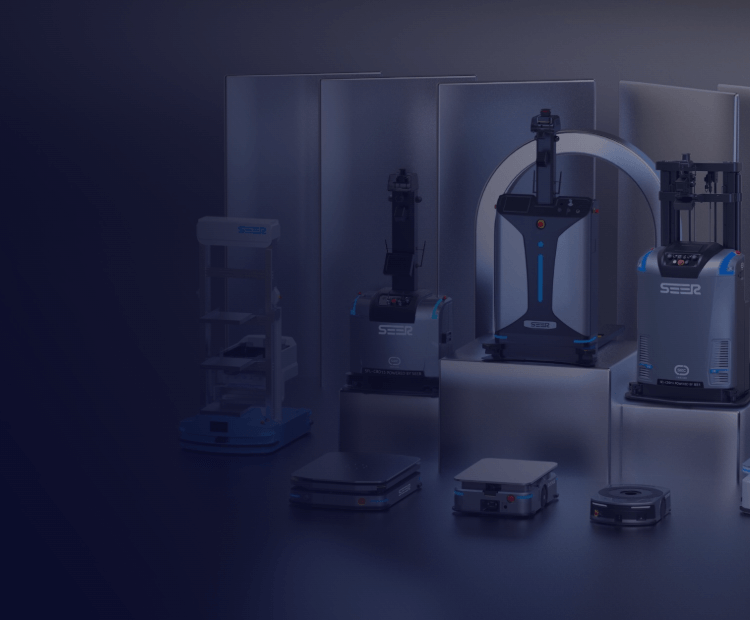
Comparing Paths: From Fixed Routes to Learning Fleets
What’s Next
Old AGVs loved tape and predictability. They were steady, but brittle. The next wave leans on new technology principles. Think sensor fusion that blends lidar mapping, depth cameras, and IMUs; SLAM that refreshes maps on the fly; and fleet orchestration that balances traffic like an air controller. A modern robotic forklift system can weigh queue depth, dock ETA, and aisle congestion in one pass—then pick a different route with the same mission. QoS networking lifts command signals above chatter (so control frames never wait). V2X beacons calm crossings. Safety PLCs run in parallel to motion control for a clean stop path. And yes, power converters and chargers talk to the scheduler to spread loads across the night—no more charger jam at 2 a.m. The goal is simple: fewer stops, richer choices. The method is technical, but the outcome feels human—smooth.
So what should you measure to choose well? Use three tight metrics. One: orchestration quality—does the system cut aisle dwell and dock wait by at least 20% while maintaining safety margins? Two: integration depth—does it sync with your WMS and yard rules in real time, not just batch, including exception paths and directed putaway? Three: resilience under stress—can it hold SLA on throughput when a lane is blocked, a truck is early, or a charger is down, with clear fallbacks like teleoperation and safe degraded modes? If a solution scores high on these, the rest follows—fewer touches, steadier shifts, kinder mornings. And that’s the quiet promise of comparative insight: not louder machines, but wiser motion. For a grounded view and credible engineering benchmarks, see SEER Robotics.