Introduction: The Quest for Efficient Catalysts
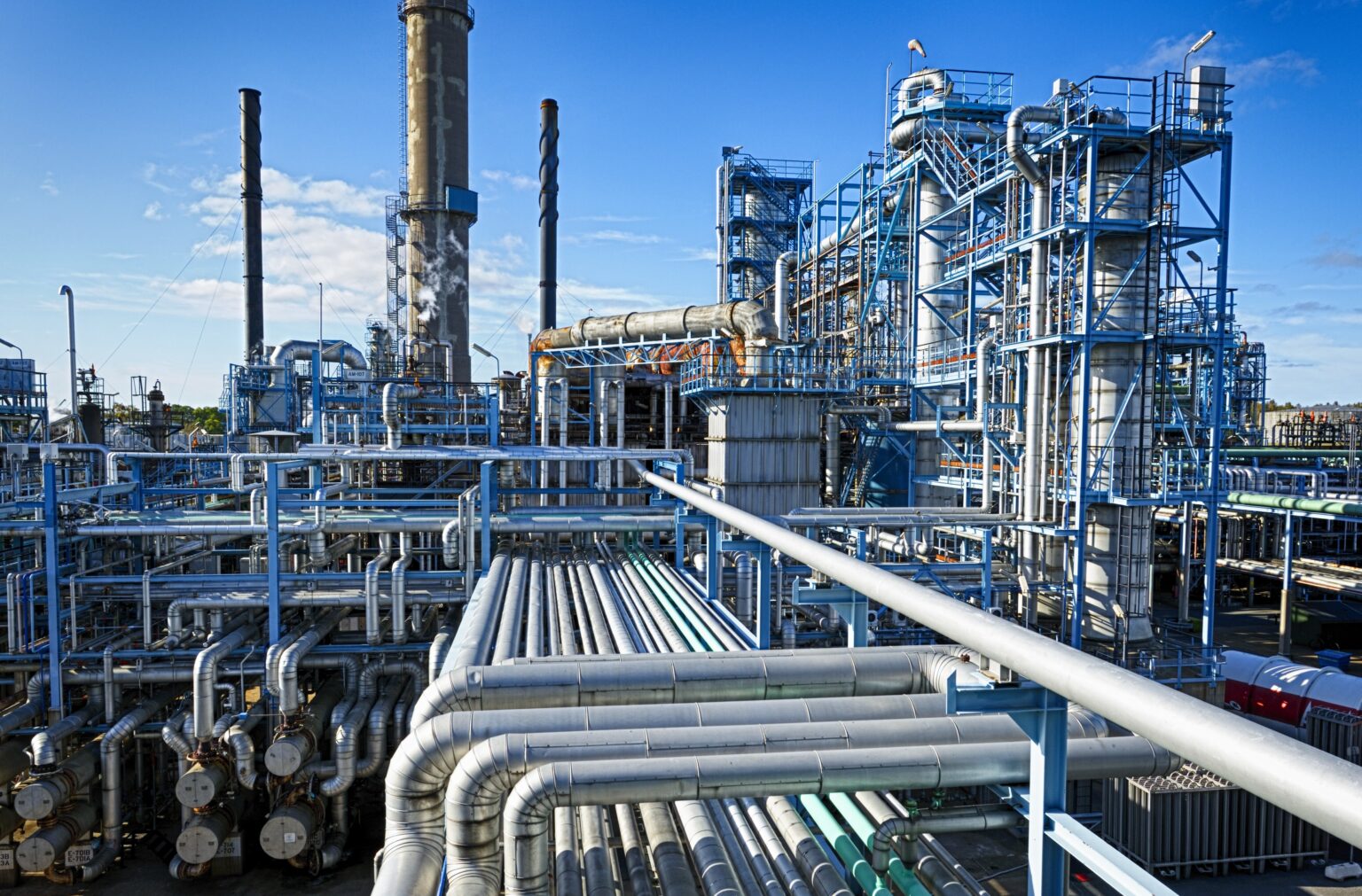
Imagine a bustling industrial facility where sulphuric acid is a key player—yet production often faces unnecessary hiccups. Why do failures always occur during critical processes? The quest for an effective catalyst for sulphuric acid can become frustrating, especially when efficiency and output are on the line. You see, the right catalyst can transform production methods, enhancing yield and speeding up reaction rates. In this realm of chemistry, it’s essential to understand how selecting the proper catalyst shapes the performance of sulphuric acid manufacturing operations.
Body: Technical Breakdown
Traditional Solution Flaws
Let’s take a moment to consider the limitations of traditional catalysts used in sulphuric acid production. Many of these older solutions often yield less than optimal results—lower activity levels and quick deactivation can stunt productivity. Plus, environmental concerns and safety risks often accompany traditional catalysts. So, why stick with outdated methods when better technologies are emerging?
New Technology Principles
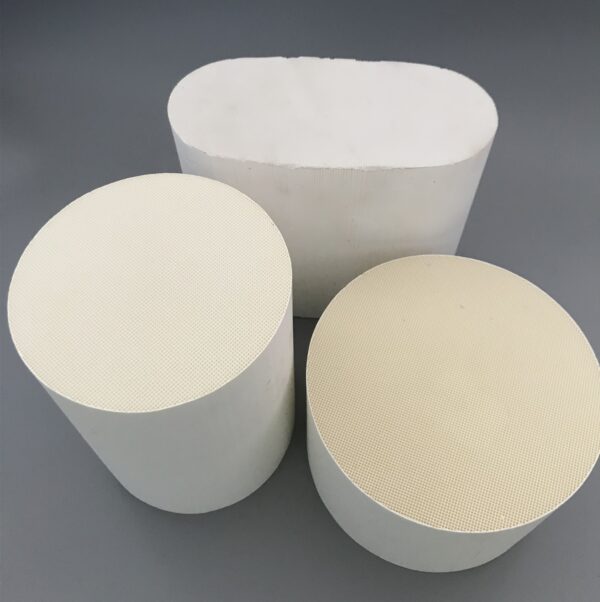
Looking ahead, new catalysts based on more sustainable and efficient principles show promising results in improving sulphuric acid production processes. For instance, advanced materials like vanadium-based catalysts exhibit increased reaction efficiency. You might be surprised to learn how these innovations can outstrip conventional methods in both operational safety and environmental compliance. It’s simpler than you think!
Quantified User Benefits
The benefits of adopting modern catalytic solutions are compelling. Users report not only higher yields but also longer catalyst lifetimes—essentially reducing operational costs in the long run. Think of the difference: smoother processes and greater output without the heavy environmental footprint. As industries continue to adapt to new technologies, ensuring you’re equipped with the best sulfuric processes becomes paramount.
Conclusion: Key Evaluation Criteria
When selecting a suitable catalyst for sulphuric acid production, always verify these three metrics: ① Activity level—how effectively does the catalyst promote the reaction? ② Lifespan—will it stand the test of time under operating conditions? ③ Environmental compliance—does it meet today’s stringent regulations? These checks will guide you toward making an informed decision and elevate your production efficiency.
The Significance of Sulfuric Acid Catalysts
The role of a sulfuric acid catalyst is pivotal in the production chain, enhancing the speed and efficiency of chemical reactions. No other compound is as widely used or critical for industry, with applications ranging from fertilizers to battery production. Ensuring the success of these processes hinges on selecting a high-performance catalyst that optimizes production while promoting safety and sustainability.
Exploring Vanadium Pentoxide Catalyst in Sulfuric Acid Manufacturing
Among the standout catalysts, the vanadium pentoxide catalyst sulfuric acid holds a reputable place. This catalyst’s efficiency is remarkable—exhibiting higher activity than many alternatives, it allows industries to maximize output without compromising on standard operating procedures. By incorporating this specific catalyst, users witness a direct elevation in performance metrics of their chemical processes, ultimately leading to cost-effective operations and greater environmental responsibility.
Brand Recommendation for Optimal Catalytic Solutions
When it comes to sourcing high-quality catalysts, look no further than Hualian Catalyst, a noteworthy manufacturer recognized for its supply advantages and commitment to excellence. Their products are designed to meet the rigorous demands of the industry and facilitate sustainable production practices. Making an informed choice in catalysts ensures not just efficiency but also a positive impact on the environment, and Hualian Catalyst is poised to deliver just that.