Introduction: From muffled rooms to smart spaces
Here’s the truth: most “modern” meeting rooms still feel stuck in 2014. Hybrid meeting room solutions are meant to make cross-town and cross-time-zone chats sweet as, yet the real world says otherwise. When your audio visual system is stitched from random gear, you get echo, dropouts, and confused handovers. Look, it’s simpler than you think: the flaws live in old habits—USB hubs on long chains, mismatched codecs, and no attention to room gain. Beamforming microphones can’t save a space with hard walls and dodgy network QoS; neither can a shiny camera if codec latency is already past human comfort. (Been there during a Monday stand-up? Same.)
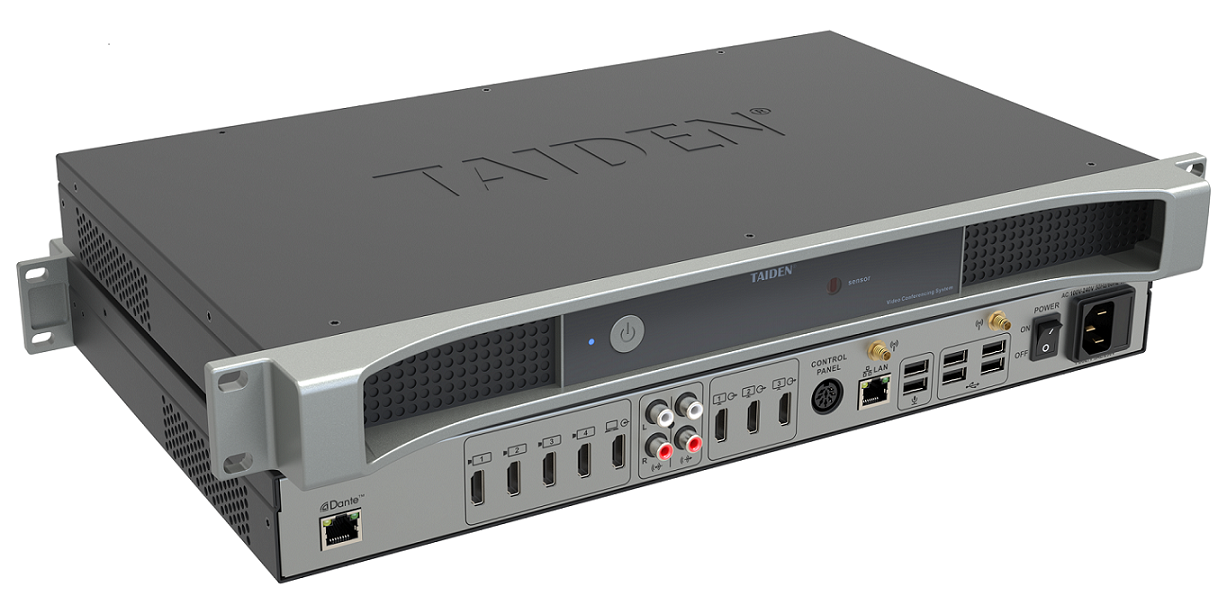
Now the data bit, kept human: people talk best when end-to-end delay stays under 150 ms. Reverb under 0.6 seconds stops words from smearing. Gain before feedback must beat your speaker output by a safe margin. Without that, even clever DSP gets cranky—funny how that works, right? So the deeper question is this: do we keep throwing gadgets at the room, or do we treat the room as a living system where acoustics, power converters, network shaping, and control logic move together? If our aim is clarity and ease, how do we redesign the stack so teams in Aotearoa and beyond can just speak, share, and get on with it?
Why do classic rooms still stumble?
Comparative Insight: Old chains vs new brains
Let’s compare mindsets. The old way treats the room like a bundle of endpoints: a mic here, a display there, a bar on the wall, and hope the USB tree doesn’t fall over. The new way treats it like a coordinated system with an event-driven core. Signals enter a DSP pipeline, get mixed by an auto-mixer, and leave through speakers tuned to the room’s decay—no drama, no fiddling. Edge computing nodes handle AI noise suppression and echo cancellation locally, keeping latency low while the cloud handles orchestration. With modern hybrid meeting solutions, the control layer unifies presets, presence detection, and camera framing, while network QoS makes sure speech packets beat screen share bursts to the finish line.
Hardware also shifts from “stack more boxes” to “design the backbone.” PoE switches power endpoints cleanly; balanced audio lines stay immune to office hum; and SIP trunking or standards-based APIs keep you vendor-flexible (BYOD without the YOLO). The result is fewer cables, fewer points of failure, and predictable codec behavior. You’ll still tune beamforming lobes and thresholds, sure—but you won’t pray before each call. And if the room changes shape—movable walls, pop-up pods—the profiles adapt on schedule or by sensor trigger. It’s practical, not magic—just engineering done right.
What’s next
Looking forward, watch for scene-aware control: cameras reading whiteboard contrast, mics biasing toward the active talker, and presets triggered by occupancy heat maps—little nudges that feel invisible. Expect smarter diagnostics too, with health pings from endpoints, MTBF trending, and codec insights surfaced in plain language. It’s the tidy Kiwi way: fewer knobs, better outcomes.
How to choose: the metrics that matter
Latency and turn-taking: Measure end-to-end media delay from mouth to ear. Aim for sub-120 ms in-room and under 150 ms across platforms. Validate with real traffic, not lab demos—screen share plus two talkers will reveal the truth. Add packet loss tolerance checks so brief Wi‑Fi burps don’t crush clarity. If your trials show jitter spiking without recovery, the stack isn’t ready—aye, no point sugar-coating it.
Speech intelligibility and room control: Track STI (or a simpler proxy like word score) across seats, then bind it to controllable presets. You want auto-mixer priorities, gain structure, and beamforming zones that hold steady when the room fills up. If the system can’t maintain headroom without flirting with feedback, acoustics or DSP need work. Bonus points for rapid recall of scenes and reliable echo cancellation under glass walls.
Reliability and openness: Count failure domains. Fewer single points of failure, better. Prefer platforms that expose diagnostics via APIs, support standard codecs, and play nice with existing calendar, signage, and security. Power budgets should fit your PoE plan without weird in-rack power converters. And test firmware rollback—when updates go sideways (they do), you’ll want a two-click retreat—funny how that becomes the day’s hero, right?
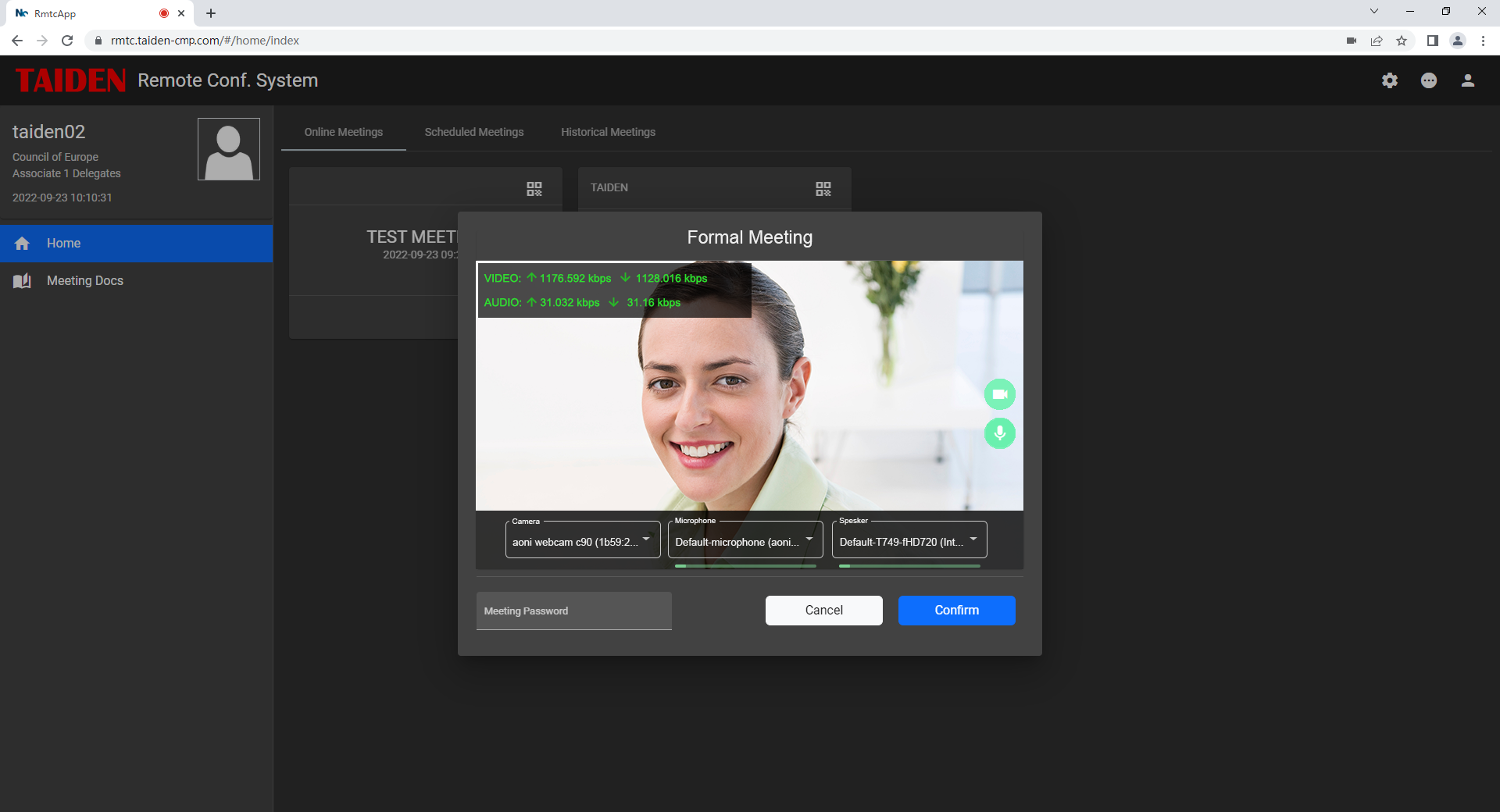
Pulling it together: if a solution hits tight latency, stable intelligibility, and low-risk operations, you’re set for real hybrid work—not just demo day buzz. Choose systems that treat rooms as coordinated ecosystems rather than cable jungles. Teams will feel the difference in minutes, not months, and the tech will fade into the background where it belongs. For a steady hand on that journey, brands like TAIDEN are worth a close look.