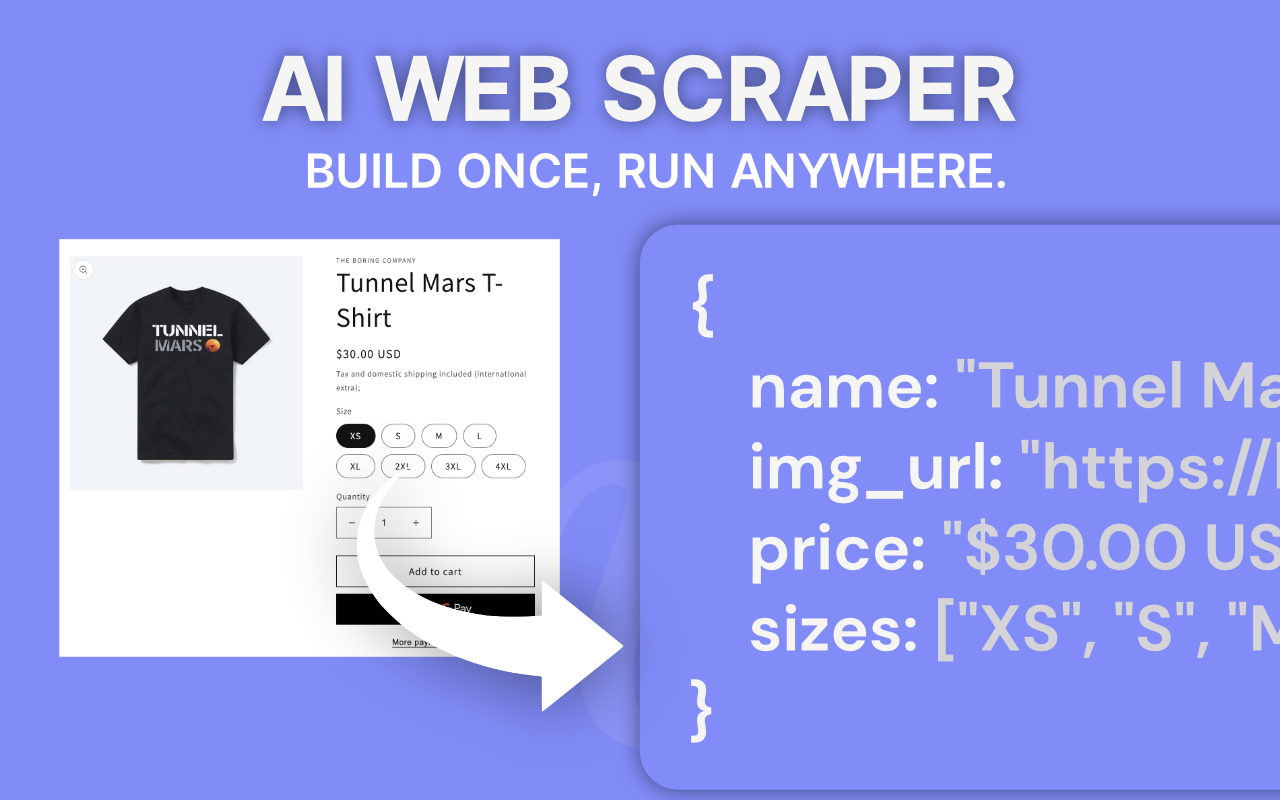
Web scraping has long been an essential tool for extracting valuable data from websites, enabling businesses, researchers, and developers to collect information on a large scale. Traditionally, web scraping has been a manual or semi-automated process that involves writing custom scripts to pull data from websites using predefined rules. While this method has been effective in certain contexts, it has limitations, especially when it comes to handling AI Powered Web Scraping complex websites, dynamic content, and large-scale data extraction. As the digital landscape evolves and websites become more sophisticated, traditional scraping practices struggle to keep pace. This is where Artificial Intelligence (AI) is stepping in, transforming the web scraping landscape by introducing smarter, more adaptive, and efficient methods of data collection.
One of the key ways AI is transforming traditional web scraping is through the automation and enhancement of data extraction. In traditional scraping, developers often need to write custom code for each website, specifying exactly where the data is located and how to extract it. This process is time-consuming and prone to errors, particularly when dealing with large numbers of websites or frequently changing sites. AI-powered scraping tools, on the other hand, use machine learning algorithms that can automatically identify patterns in website layouts and adjust to different structures without requiring manual intervention. These AI-driven tools learn from past scraping tasks and adapt to changes in the website’s design, allowing them to handle dynamic content more efficiently. As a result, businesses can scrape large volumes of data from multiple sources without worrying about constantly updating their scraping scripts.
Another major benefit of AI in transforming web scraping is its ability to deal with complex and dynamic content. Many modern websites utilize JavaScript, AJAX, or other dynamic elements to load data in real time. Traditional web scraping tools often struggle with these dynamic pages, as they rely on static HTML to extract information. AI-powered scraping tools, however, can interpret and interact with dynamic content by mimicking user behavior and rendering content as a human user would. For example, AI algorithms can handle page scrolls, clicks, and navigation, allowing them to extract data from interactive or JavaScript-heavy websites. This capability significantly expands the range of websites that can be scraped, including social media platforms, real-time news sites, and e-commerce websites that constantly update their content.
The use of AI in web scraping also addresses a critical challenge in traditional methods: dealing with unstructured and semi-structured data. A large portion of the valuable data available on the web is unstructured, such as text in blog posts, product descriptions, user reviews, and social media comments. Traditional scraping tools typically extract this data as raw text without understanding its meaning, making it difficult to analyze and use effectively. AI-driven tools, however, are equipped with natural language processing (NLP) and machine learning algorithms that can interpret and process unstructured data. NLP allows AI-powered scrapers to extract relevant information, such as sentiments, keywords, named entities (like people or places), and even perform text classification. This level of data processing makes AI-driven web scraping more powerful, as it enables businesses to collect not just raw data, but also insights that are actionable and valuable for decision-making.
Furthermore, AI-enhanced web scraping helps improve data quality by filtering out irrelevant, noisy, or duplicate content. In traditional scraping, websites often contain a mix of valuable information, advertisements, pop-ups, and other distractions that can muddle the data. AI-powered scraping tools can recognize and ignore such irrelevant content using advanced filtering techniques. These tools can automatically discern the most relevant data on a page, even distinguishing between primary and secondary information based on context. For instance, AI can identify the main product details on an e-commerce page while ignoring unrelated ads or sidebars. Additionally, AI algorithms can detect and remove duplicate data points, ensuring that businesses receive clean, high-quality datasets that are easier to analyze and utilize.
Despite the numerous advantages, the integration of AI into web scraping practices also introduces challenges and considerations. One significant concern is ensuring compliance with legal and ethical standards. Web scraping, particularly when collecting personal data or scraping large amounts of information from third-party websites, can raise privacy and intellectual property issues. While AI tools make the process more efficient, businesses must remain vigilant about adhering to data privacy regulations, such as the General Data Protection Regulation (GDPR) in the European Union, and ensure that they respect the terms of service of the websites they scrape. Additionally, businesses must be aware of the ethical implications of scraping and ensure that they are not violating the rights of content creators or website owners. Responsible AI implementation in web scraping requires maintaining transparency and ensuring that data collection practices are respectful of both legal boundaries and ethical considerations.
In conclusion, AI is revolutionizing traditional web scraping practices by introducing smarter, more adaptable, and more efficient methods of data extraction. Through machine learning, natural language processing, and advanced filtering techniques, AI-powered scraping tools can automate the collection of data from dynamic, complex, and unstructured web content. These tools not only enhance the scalability and speed of web scraping but also improve the accuracy and quality of the extracted data. As websites continue to evolve and the demand for real-time, high-quality data grows, AI-powered web scraping will become an increasingly essential tool for businesses and organizations. However, to fully realize the potential of AI in web scraping, it is crucial for companies to address privacy, compliance, and ethical issues to ensure that their data collection practices are responsible and aligned with legal and industry standards. With careful implementation, AI has the power to transform web scraping into a more intelligent, efficient, and valuable tool for data-driven decision-making.