Intro: The Farm-Fence View on a Fast Market
Here’s the plain truth: launches move fast, but packaging can still crawl. make up packaging manufacturers sit at the choke point between brand ideas and store shelves, and you feel that when a season flips. Last quarter, a small indie label waited 14 weeks for pumps, then ate 9% scrap on a lot that came in off-color—numbers like that sting. If timelines stretch and defects rise, what happens to your margin and your launch calendar? (And who cleans up the warehouse pile?) We’re talking real life here, not showroom talk—so let’s ask a hard one: Are we comparing today’s options the right way, or just repeating old habits?
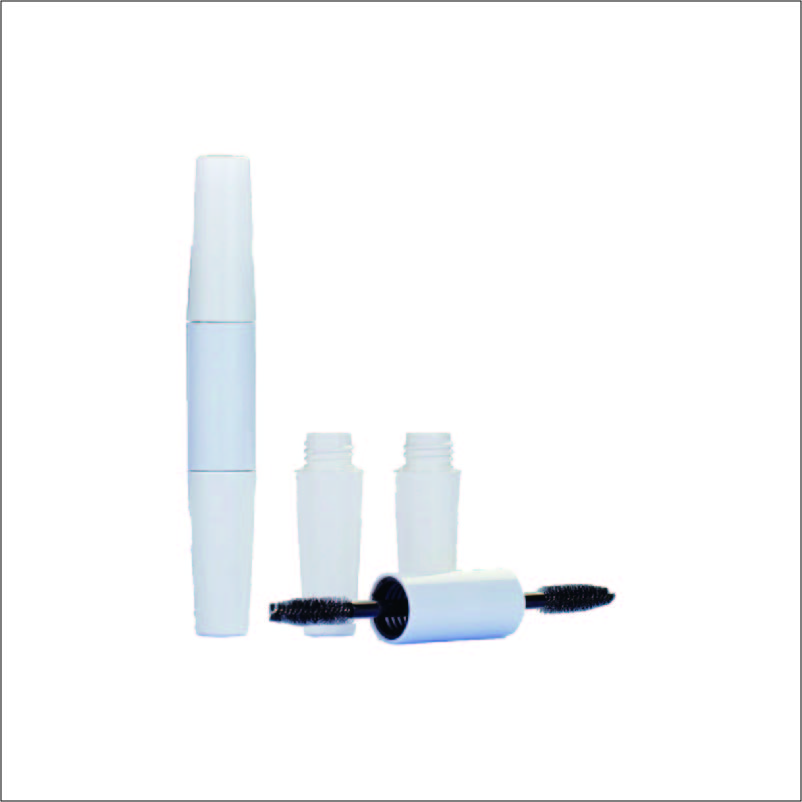
This guide stacks options side-by-side so you can see what actually matters and what’s fluff. We’ll keep it straight, in simple words, with just enough tech to make it useful—nothing fancy, just fence-post logic. On we go to the root causes and the better trade-offs.
Under the Hood: Hidden Pain Points You Can’t See at the Trade Booth
Why do fixes keep slipping?
Most buyers scan catalogs of makeup packaging companies and assume variety equals control. Look, it’s simpler than you think: the pain hides in process physics and data flow. Injection molding runs drift when resin moisture or barrel temps wobble, and that small shift shows up as cap wobble or loose torque on pumps—funny how that works, right? Anodized aluminum looks premium, but bath variance can nudge shade consistency. PCR resin is great for ESG, yet it tightens tolerance windows and raises risk of stress whitening. None of that sits on the brochure. Traditional fixes? A bigger MOQ, more manual checks, a thicker QC report. Those patch symptoms, not causes.
Another blind spot is tolerance stack-up across suppliers. A jar neck from Plant A plus a liner from Plant B plus a cap from Plant C can pass each spec alone and still fail together. Old-school inspection won’t catch dynamic seal issues or creeping leakers. Without upstream SPC, die-cut control on wads, and torque verification under simulated ship heat, you get field failures. And returns don’t just cost money; they bruise launch trust. The real blocker isn’t choice—it’s coherence between material behavior, tooling wear, and line settings.
Forward Look: Principles That Turn Variation Into Control
What’s Next
So how do you move from patchwork to predictable? First, map process capability, not just catalog SKUs. Tie resin lots, tool cavities, and cycle settings to measured outputs using simple SPC run charts and go/no-go torque gauges. Then close the loop: digital travelers plus barcode station logs give you traceability without big-software drama. Add small pilots: a 500-piece line trial with heat-soak and vibration checks simulates ship-to-shelf stress. From there, compare suppliers by stability, not by the gloss of samples. When you buy through makeup packaging wholesale, insist on cavity-level data and pre-ship torque spread. It feels fussy—until it saves a recall.
New coatings and treatments help too. Low-migration barrier coatings reduce scent shift and formula attack. UV curing tightens cycle times while keeping surfaces clean for hot stamping. Pair that with a material plan: PCR resin on walls, virgin for threads, so you keep closure strength where it counts. And don’t forget small math: cap torque set to target plus a safety band under hot-truck conditions, not just room temp. Different tone today, sure, but this is where failure turns into confidence—or a warranty claim you didn’t budget for.
When you line up these ideas with what we found earlier, a pattern shows: defects hide at interfaces; timelines slip where data is late; “premium” is fragile without process control. So choose with a yardstick, not a hunch. Three metrics help: 1) Process Capability Index (Cpk) on critical-to-quality features like neck finish and pump torque; 2) First-Pass Yield across at least two production lots, not a single golden run; 3) Verified compatibility under heat/transport stress, including seal integrity and leaker rates. Keep it human, keep it measurable—and you’ll ship steady, not lucky. That’s the line I’d hang my hat on—nobody argues with a clean field test. Learn, compare, then pick your path with care at NAVI Packaging.