Rethinking Automation for Precision
In many manufacturing scenarios, the challenge of increasing productivity while maintaining precision is overwhelming. Recent studies indicate that 85% of businesses face delays due to manual sorting processes. Enter the sorting robot, a vital component of cobot systems that can transform these workflows. Are you ready to explore how these systems can alleviate common operational hurdles?
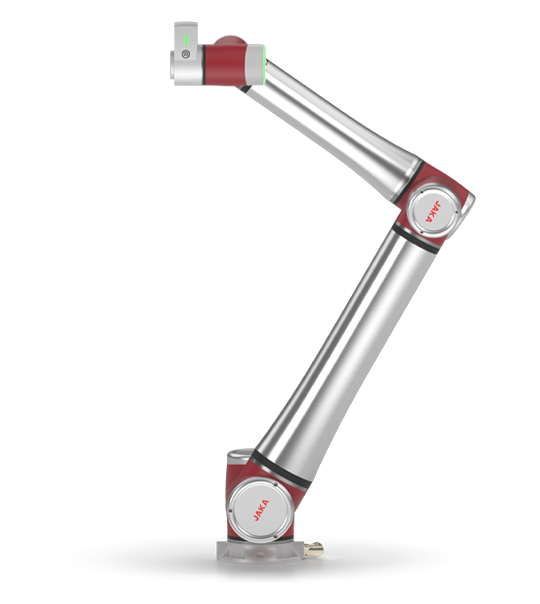
Understanding the Role of Cobot Systems
The rise of collaborative robots, or cobots, has sparked a shift in automation. They work alongside human operators to enhance productivity without replacing jobs. I was particularly impressed by the capabilities of a sorting robot, as it can adapt to various tasks while learning from its environment (a rare trait!)—this allows for an unprecedented level of efficiency. Compared to conventional solutions, cobots address traditional flaws by offering flexibility and ease of integration.
What Pain Points Do Cobot Systems Solve?
One of the most significant pain points in manufacturing is inefficiency stemming from repetitive tasks. Many companies hesitate to adopt automation, fearing significant upfront investments and a steep learning curve. However, cobots—like the sorting robot—are designed with user-friendliness in mind. In my experience, businesses that adopt such technology see a reduction in task completion time by over 30%. This brings me to a critical question: how are you adapting to these industry shifts?
Looking Ahead: The Future of Cobot Integration
The landscape of automation is rapidly evolving, and cobot systems are at the forefront of this change. As industries continue to demand faster, more flexible solutions, the role of sorting robots will become even more critical. Imagine a workspace where cobots seamlessly synchronize with human labor—minimizing errors and maximizing throughput. I believe we’re on the cusp of a revolution in how we think about automation and human workflow. This is where our focus should be.
What’s Next for Your Business?
If you’re still relying on outdated sorting methods, now might be the perfect time to evaluate your systems. Consider how adopting a sorting robot could not only streamline operations but also empower your workforce. I suggest that companies measure their current practices against three key evaluation metrics: productivity gains, error reduction, and employee satisfaction. Having witnessed the transformative power of cobots firsthand, I can confidently say that these metrics are not just ideal—they’re essential for future-proofing your operations.
Concluding Insights
To wrap it up, the integration of cobot systems, particularly with innovative solutions like sorting robots, is more than just a trend—it’s a necessary evolution for modern manufacturing. Embracing this technology can result in meaningful changes that impact both efficiency and employee engagement. The future is looking bright, and we all have a part to play in steering our businesses in this direction. Explore what JAKA has to offer—there’s no better time than now to invest in the future of automation.